Sponsored article
The influence of tradition on contemporary cassock designs
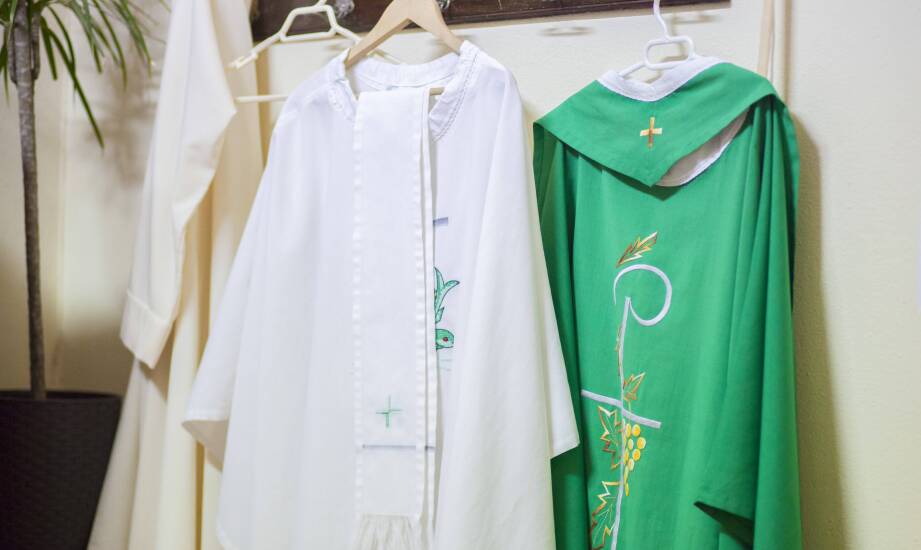
- Why does liturgical tradition guide contemporary cassock designs?
- How do contemporary workshops combine craftsmanship with today's functionality requirements?
- What is the significance of color symbolism and proportions in current cassock designs?
- From historical canon to contemporary execution precision—synthesis of tradition's influence on cassock designs
Contemporary cassock designs are not developed in isolation from the past but rather evolve solutions shaped by the Church's centuries-old practices. The cut, proportions, color scheme, and construction details remain closely linked to established liturgical and symbolic order. Today's creations blend the traditional canon of form with modern execution standards and material durability, maintaining the clarity of message and the functionality necessary in the daily service of clergy.
Why does liturgical tradition guide contemporary cassock designs?
Contemporary cassock designs are deeply rooted in the Church's centuries-old tradition, which defines their form, symbolism, and function. A cassock serves as an external sign of membership in the clergy, and its cut, length, and button arrangement are not arbitrary but result from established canonical and customary order. The influence of tradition is also evident in the relationship between the cassock and other elements of clerical attire, such as the stole, which completes the priest's image during liturgical activities, highlighting the sacramental nature of the ministry. Current designs do not redefine these principles but develop them through careful refinement of proportions, collar construction, and quality of finishes, preserving both aesthetic continuity and theological consistency.
How do contemporary workshops combine craftsmanship with today's functionality requirements?
Today's design realizations are based on classical models but also take into account contemporary standards of ergonomics and material durability. High-quality fabrics resistant to color loss and structural deformations allow the elegance of form to be maintained during intensive use. The offerings reflect a commitment to the traditional silhouette line and meticulous detail finishing, while incorporating practical solutions such as lower pockets with openings or the possibility of sizing adjustments to the individual needs of clergy. This approach is also represented by Ars Sacra, whose activities revolve around harmoniously combining classical form with high standards of execution. The contemporary project does not sever ties with the past but strengthens it through precision in cut, structural durability, and order personalization, meeting the real needs of daily ministry.
What is the significance of color symbolism and proportions in current cassock designs?
Color symbolism and silhouette proportions remain one of the key elements of tradition's influence on current designs. Black as a primary color retains a universal character, while purple, red, or white reflect a specific rank in the church hierarchy. Contemporary designs respect this order, considering it a foundation for the visual identity of the clergy, not merely a decorative element. Maintaining classical length, appropriate button placement, and careful sleeve proportions build form coherence and representative dignity. As a result, tradition does not limit creators but serves as a reference point for enlightened design, where aesthetics, symbolism, and functionality form a unified whole.
From historical canon to contemporary execution precision—synthesis of tradition's influence on cassock designs
The evolution of the cassock began with its establishment as a sign of clergy status and an element of Church order, with the form, color, and proportions clearly defined in tradition. Subsequently, the development of tailoring craftsmanship emphasized the significance of fabric quality, cut construction, and hierarchical symbolism, reinforcing the garment's aesthetic and functional coherence. Contemporary designs retain this historical foundation, enriching it with durable materials, precise fit to the silhouette, and practical construction solutions, ensuring the cassock remains faithful to tradition and suitable for the realities of daily ministry.